Kinesiology in Yeppoon
What Is Kinesiology?
Kinesiology is a gentle, non-invasive therapy that uses muscle monitoring to identify and correct imbalances within the body. Combining muscle testing with energetic principles, it helps uncover underlying physical and emotional stress patterns.
Blending Western medical knowledge with Eastern healing philosophies, kinesiology supports the release of stress and encourages balance, vitality and overall wellbeing.
Cathie holds a Diploma in Kinesiology from NK Institute and has completed advanced training in Neuro-Energetic Kinesiology, LEAP Brain Integration, Applied Physiology, Emotions and Metaphysical Kinesiology™ (EMK), and Kinergetics. She draws on these respected modalities to provide a personalised, well-rounded treatment experience tailored to each client.
What to Expect
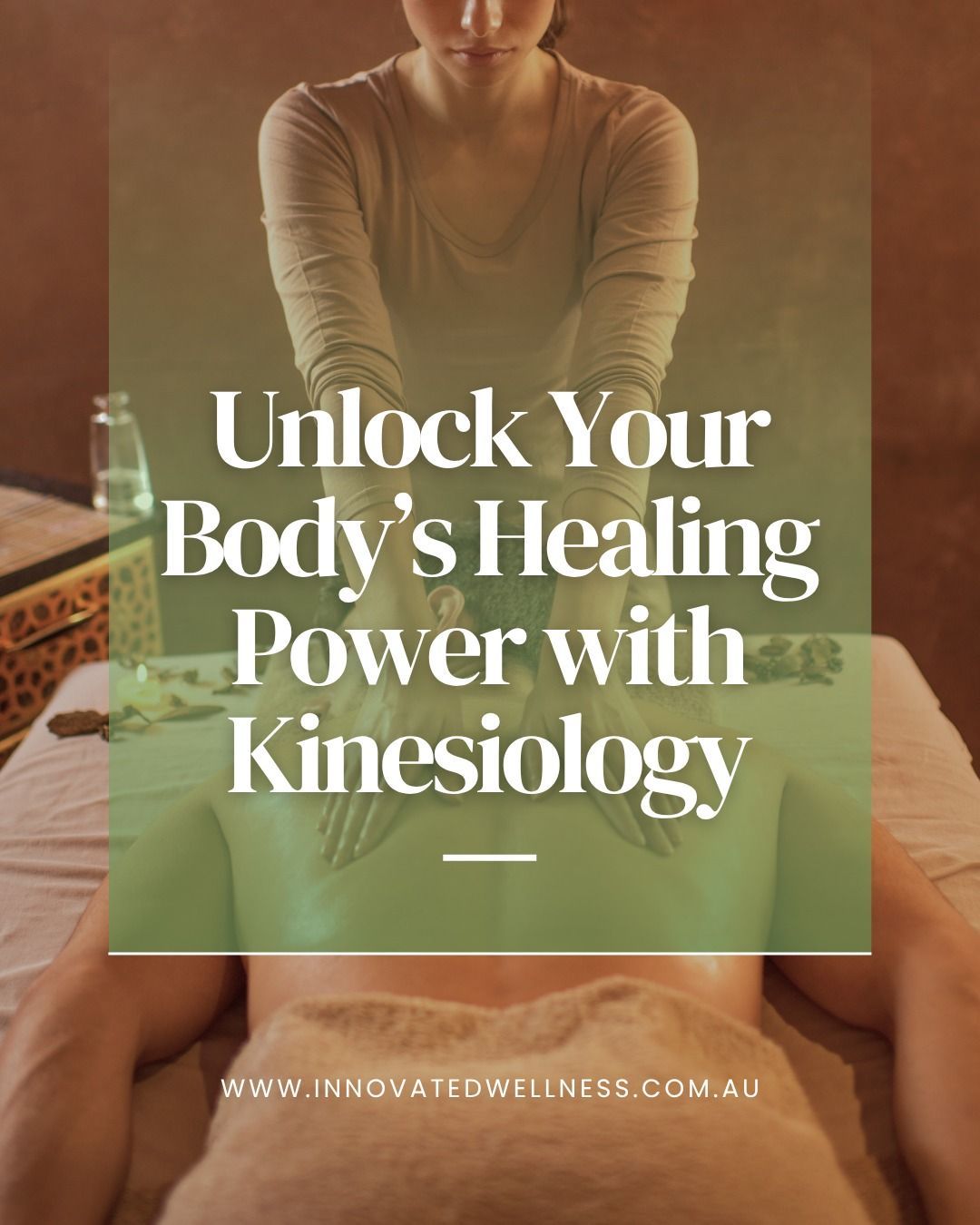
During your session, muscle testing is used to determine the body’s priorities for balance. This involves applying gentle pressure to a specific muscle to assess the body’s response. Muscle testing can also be used to explore overall health and energy systems, nutritional needs, sensitivities, and emotional stress patterns. Developed in the 1960s, kinesiology continues to evolve as a holistic approach to supporting physical, emotional, and biochemical health. Techniques may include affirmations, symbols, charts or other supportive tools, depending on your individual needs. This integrative approach aims to reduce stress, clear energetic blocks, and help you move forward with greater ease and clarity.
If you’d like to book your tailored kinesiology appointment or learn more about how sessions work, call Cathie Barnes Holistic Wellness at
0409 961 145.

Why Consider Kinesiology?
If you’re looking for gentle, whole-body support, kinesiology may be worth considering as part of your wellbeing routine. It offers a non-invasive approach that can complement other care and help you stay focused on practical progress:
- Gentle and non-invasive: Kinesiology uses light techniques designed to suit a wide range of comfort levels.
- Whole-body perspective: Sessions consider physical tension, stress load, and lifestyle factors rather than treating one area in isolation.
- Individualised sessions: Muscle testing helps guide the session, so care can be tailored to what your body presents on the day.
- Stress support: Kinesiology can help settle the nervous system and reduce the sense of overwhelm from ongoing pressure.
- Everyday wellbeing guidance: You may receive simple lifestyle or nutrition tips to support steadier habits between appointments.
Together, these benefits make kinesiology a practical option for people who want calm, personalised support. If you’d like to take the next step, book a session today.
Get in Touch
Or enquire about our services.
Thank you for contacting Cathie Barnes Holistic Wellness.
We will get back to you as soon as possible.
Oops, there was an error sending your message.
Please try again later.
Subscribe
Sign up to hear from us.
Thank you for contacting Cathie Barnes Holistic Wellness.
We will get back to you as soon as possible.
Oops, there was an error sending your message.
Please try again later.
Frequently Asked Questions
What issues do people commonly seek kinesiology for?
People often seek kinesiology for stress management, fatigue, tension, sleep concerns, and general wellbeing support. It may also be used alongside other care for discomfort, movement restrictions, or recovery goals. Kinesiology is not a substitute for medical assessment, especially for acute pain, injury, persistent symptoms, sudden changes, or red flags.
Can kinesiology help with stress and emotional wellbeing?
Kinesiology commonly includes approaches aimed at reducing the body’s stress response. Techniques such as emotional stress release, breathing cues, and gentle point work may support a calmer nervous system. Many people report feeling more settled after sessions. For significant mental health concerns, medical or psychological care remains important and recommended.
Can I combine kinesiology with other treatments?
Yes, kinesiology is often used alongside massage, exercise programs, counselling, or medical care. Let all providers know what you’re doing so your care stays coordinated. Kinesiology should complement—not replace—medical treatment for diagnosed conditions. Always follow medical advice for medications, injuries, chronic illnesses, and ongoing management plans, closely, as directed.
What happens during a Kinesiology session?
During a Kinesiology session, Cathie uses gentle muscle testing to assess how the body is responding to stress. This feedback helps identify imbalances linked to physical tension, emotional stress, lifestyle factors, or subconscious patterns. Each session follows the body’s cues, supporting release, nervous system regulation, and a gradual return to balance.
How does muscle testing help identify the root cause of symptoms?
Muscle testing allows Cathie to observe how the body responds to specific stimuli and questions. Changes in muscle response can indicate stress held within the body, nervous system, emotions, or subconscious patterns. Rather than focusing only on symptoms, this approach helps uncover underlying causes so the body can release tension and restore balance more effectively.